


The adoption of artificial intelligence and automation in risk management is accelerating. We discuss how businesses can leverage technology to improve risk assessment and decision-making processes.
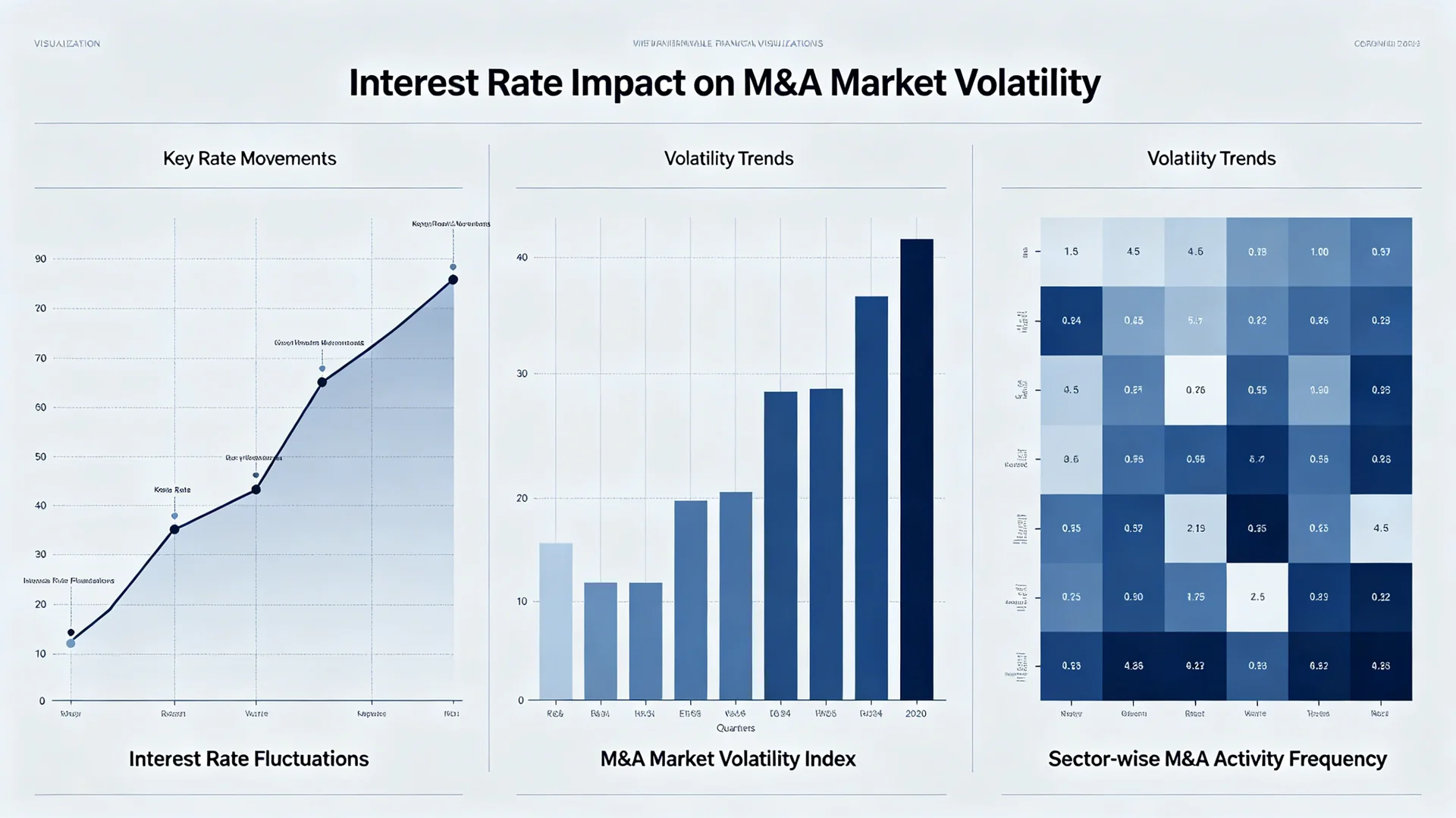
The AI Revolution in Risk Management
Artificial intelligence is transforming how organizations identify, assess, and manage risks. From credit risk to operational risk, AI-powered tools are providing deeper insights and enabling more proactive risk management.
The ability to process vast amounts of data in real-time allows organizations to detect emerging risks earlier and respond more quickly to changing conditions.
Key Applications
1. Credit Risk Assessment
Machine learning models can analyze thousands of data points to assess creditworthiness more accurately than traditional methods. This enables better lending decisions and more precise pricing of credit risk.
2. Fraud Detection
AI systems can identify unusual patterns and anomalies that may indicate fraudulent activity, often in real-time. This is particularly valuable in payments and financial transactions.
3. Market Risk Modeling
Advanced analytics and machine learning are improving the accuracy of market risk models, helping organizations better understand and manage their exposure to market movements.
4. Operational Risk
AI can help identify operational risks by analyzing process data, detecting control weaknesses, and predicting potential failures before they occur.
Implementation Considerations
While the benefits are significant, implementing AI in risk management requires careful attention to:
- Data Quality: AI models are only as good as the data they're trained on. Ensuring data accuracy and completeness is essential.
- Model Risk: AI models themselves introduce new risks that need to be managed, including model bias and interpretability challenges.
- Regulatory Compliance: Financial institutions must ensure AI systems comply with regulatory requirements for risk management and model governance.
- Human Oversight: AI should augment, not replace, human judgment. Maintaining appropriate human oversight is critical.